
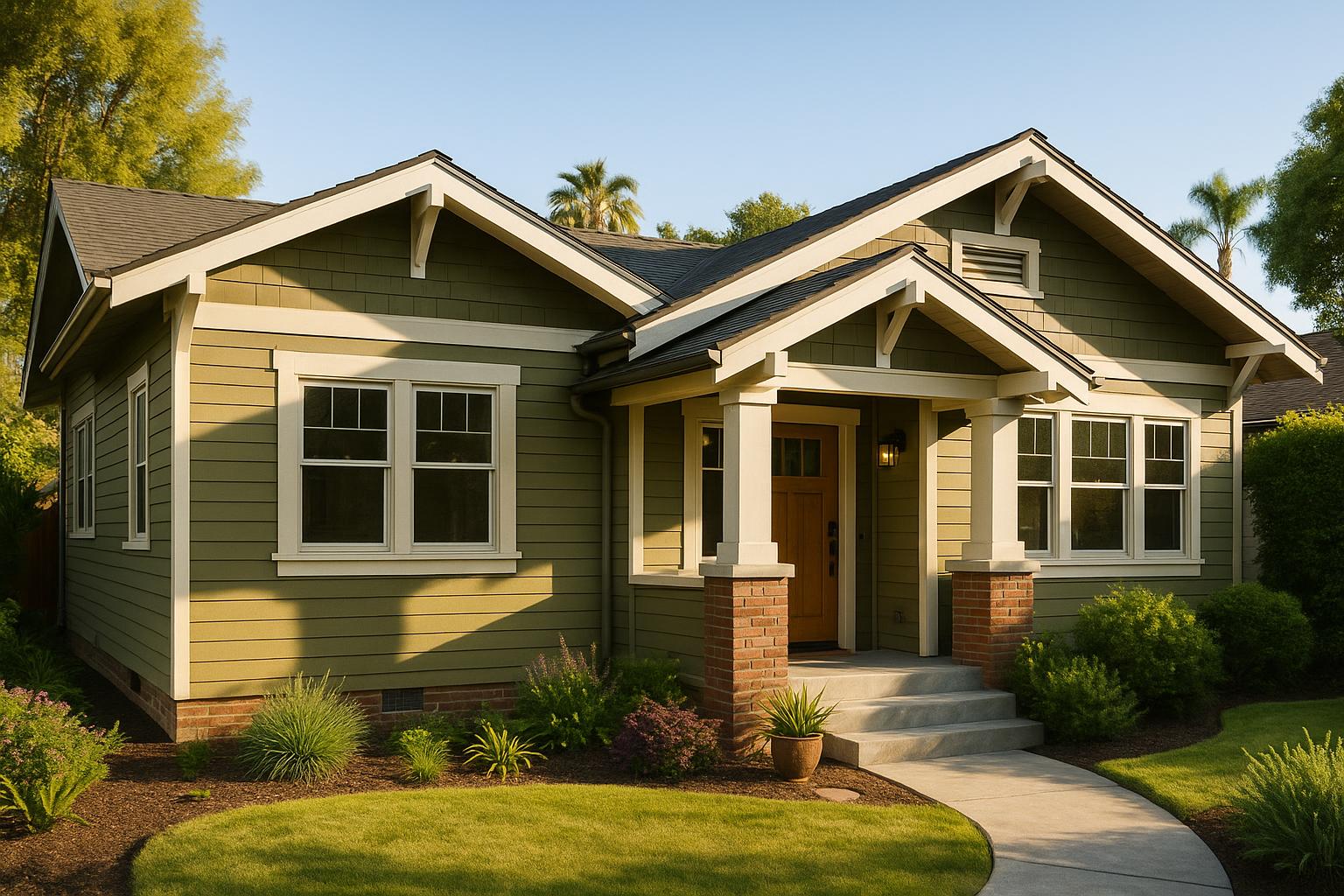
Why San Diego Homeowners Are Choosing Additions Over Moving
San Diego's real estate market isn't getting any cheaper. Between rising home prices and limited inventory in neighborhoods like La Jolla, Coronado, and El Cajon, many homeowners are discovering that building onto their current home makes more financial sense than buying a new one. A well-planned home addition lets you get the space you need while staying in the neighborhood you love.
But here's the catch: home additions are one of the most complex remodeling projects you can take on. Without careful planning, costs can spiral, timelines can stretch, and the final result might not match your expectations. The good news is that most budget problems are preventable — if you know what to watch for before construction begins.
Start With the Why, Not the What
Before you start sketching floor plans or browsing Pinterest, take a step back and ask yourself a fundamental question: what problem are you trying to solve?
Are you running out of bedrooms because your family is growing? Do you need a dedicated home office now that remote work is permanent? Is your single bathroom creating a morning traffic jam? Maybe you want an in-law suite for aging parents.
Defining your core need helps you avoid the most common budget killer in home additions: scope creep. When you know exactly why you're adding space, every decision — from square footage to finishes — has a clear filter. If it doesn't serve the purpose, it doesn't make the cut.
Understand What Drives the Cost of a Home Addition
Home addition costs in San Diego vary widely depending on the scope, but understanding the main cost drivers helps you make smarter tradeoffs. Here are the biggest factors:
- Foundation and structural work: This is the most expensive part of any addition. Building on a slab is generally less costly than raised foundations, and single-story additions cost less than adding a second floor.
- Plumbing and electrical: Adding a bathroom, kitchen, or laundry room to your new space significantly increases costs because of the plumbing, electrical, and ventilation work involved.
- Roofing and exterior integration: Your addition needs to look like it belongs. Matching rooflines, siding, and exterior finishes to your existing home requires skilled craftsmanship but is essential for curb appeal and resale value.
- Permits and engineering: San Diego has specific building codes, zoning regulations, and permit requirements. Depending on your neighborhood and the size of your project, you may also need to work within HOA guidelines or coastal development restrictions.
- Interior finishes: Flooring, cabinetry, lighting, paint, and fixtures all add up. This is the area where you have the most flexibility to adjust your budget up or down.
Set a Realistic Budget (Then Add a Contingency)
One of the biggest mistakes homeowners make is setting a budget based on the best-case scenario. In remodeling, surprises happen — especially when you're tying new construction into an existing structure. You might uncover outdated wiring, discover drainage issues, or find that your soil requires additional foundation work.
A good rule of thumb is to set aside 10 to 15 percent of your total budget as a contingency fund. This isn't money you plan to spend — it's a safety net that keeps your project moving forward if something unexpected comes up. If you don't use it, great. But if you need it, you'll be glad it's there.
When working with a remodeling contractor, ask for a detailed estimate that breaks down costs by category. Transparency at this stage prevents misunderstandings later and gives you the information you need to make informed decisions.
Choose the Right Contractor for the Job
Not every remodeling company handles home additions, and not every contractor who does is equally qualified. Additions require a blend of skills — structural engineering knowledge, permit navigation, and the ability to seamlessly integrate new construction with your existing home.
Here's what to look for when choosing a contractor for your San Diego home addition:
- Licensed and insured: This is non-negotiable. Verify their California contractor's license and make sure they carry general liability and workers' compensation insurance.
- Local experience: A contractor who has worked across San Diego neighborhoods — from Chula Vista to National City — will understand local permitting processes, soil conditions, and building code requirements.
- Clear communication: Your contractor should be able to explain costs, timelines, and potential challenges in plain language. If you feel confused or pressured during the estimate phase, that's a red flag.
- Portfolio of similar projects: Ask to see examples of completed home additions. Look for quality craftsmanship and attention to detail in how the new space connects to the original structure.
- Written contract with detailed scope: Everything should be documented — materials, labor, timeline, payment schedule, and how change orders are handled.
Don't Forget About Permits and Zoning
In San Diego, most home additions require building permits, and the process can take several weeks depending on the complexity of your project. Skipping permits might seem like a way to save time and money, but it creates serious problems down the road — including fines, forced removal of unpermitted work, and complications when you try to sell your home.
Your contractor should handle the permit process for you, including preparing plans, submitting applications to the City of San Diego Development Services Department, and scheduling required inspections. If a contractor suggests skipping permits, walk away.
Zoning is another consideration. Setback requirements, lot coverage limits, and height restrictions can all affect what you're allowed to build. In some areas, like parts of La Jolla or Coronado, there may be additional design review requirements. Understanding these constraints early prevents costly redesigns later.
Think Long-Term: Resale Value and Livability
A home addition is a significant investment, so it's worth thinking about how it will affect your home's value — even if you don't plan to sell anytime soon. Additions that tend to offer the best return include:
- Primary bedroom suites
- Additional bathrooms
- Family rooms or great rooms
- In-law suites or accessory dwelling units
The key is making sure the addition feels like a natural extension of your home, not an afterthought. Matching architectural details, maintaining consistent flooring and trim, and ensuring good flow between old and new spaces all contribute to a result that feels cohesive.
Ready to Add Space to Your San Diego Home?
Planning a home addition takes time, but that upfront investment in planning pays off in a smoother construction process and a final result you'll love. At Mountain Crest Construction, we help San Diego homeowners navigate every step — from initial design concepts and permit applications to the final walkthrough. We believe in straightforward communication, detailed estimates, and craftsmanship that stands the test of time.
If you're considering a home addition and want to understand your options, reach out to our team for a consultation. We'll help you figure out what's possible for your home, your lot, and your budget.